
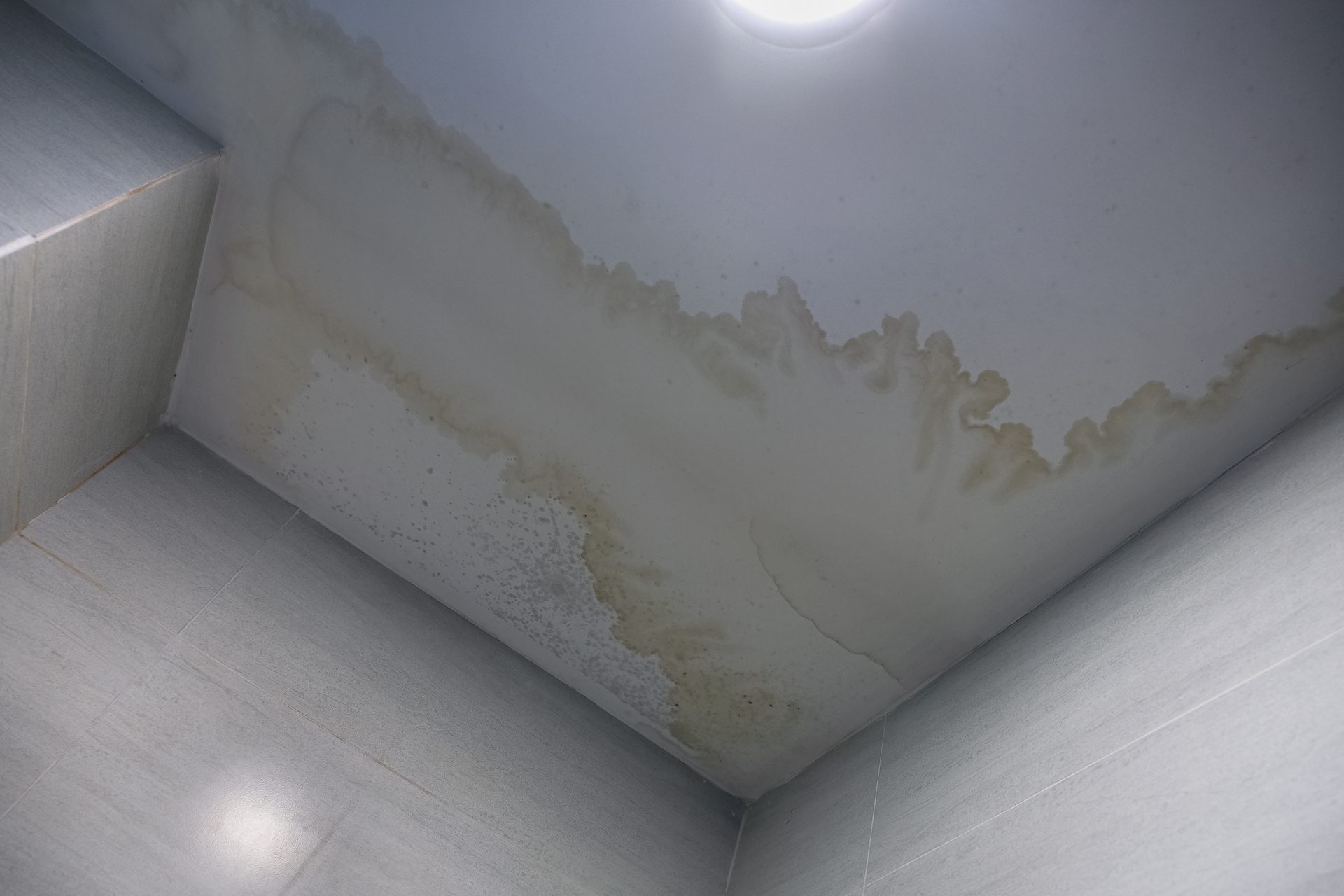
You notice a brown stain spreading across the bedroom ceiling. Or you hear a steady drip in the loft after a night of heavy rain. Either way, your first worry is probably the damage. Your second is almost always the cost, and the question that follows: does house insurance cover a leaking roof?
The honest answer is that it depends. It depends on what caused the leak, how quickly you acted, what your policy says and how the claim is presented to your insurer. Many homeowners assume a roof leak is automatically covered, only to find their claim reduced or turned down because the insurer puts the damage down to wear and tear. Others assume they have no chance and never claim at all, even when their policy would have paid out.
In this guide we explain how roof leak claims work in the UK, what is usually covered and what usually is not, the signs to look out for, and the practical steps that give your claim the best chance of success.
Does House Insurance Cover a Leaking Roof?
Most UK home insurance policies are made up of two parts. Buildings insurance covers the structure of your home, including the roof, walls, floors and permanent fixtures. Contents insurance covers your belongings, such as furniture, carpets, electrical items and clothing. A roof leak can affect both, so it is worth understanding how each part responds.
In general, home insurance is designed to cover sudden and unforeseen events. If your roof starts leaking because of something that happened suddenly, such as a storm lifting tiles or a tree branch crashing through the roof, there is a good chance your policy will cover the resulting damage. If the leak has developed gradually because the roof has simply reached the end of its life, an insurer is likely to argue that this is a maintenance issue rather than an insured event.
That distinction between a sudden event and gradual deterioration sits at the heart of almost every roof leak claim. Understanding it is the first step to knowing whether you are likely to be covered.
What Usually Is Covered
Every policy is different, so you should always read your own policy wording. That said, most standard buildings policies will respond to roof damage caused by insured perils such as:
- Storms: high winds, heavy rain, hail or snow that damage tiles, slates, flashing or the roof structure. Many insurers have their own definition of a storm, often based on wind speed or rainfall, so it is worth checking the weather records for the date of the damage.
- Falling trees and objects: branches, whole trees, aerials, satellite dishes or lampposts that hit the roof.
- Fire, smoke and lightning: damage to the roof caused by a fire or a lightning strike.
- Impact: damage caused by vehicles, aircraft or other objects striking the property.
- Malicious damage and vandalism: deliberate damage caused by others.
- Escape of water: if water is coming through the ceiling from a burst tank or pipe in the loft rather than through the roof itself, this is usually treated as an escape of water claim.
Where the leak was caused by one of these events, your buildings insurance should cover the repair to the roof itself, and your contents insurance should cover damage to belongings inside the home, subject to your excess and policy limits.
What Usually Is Not Covered
The most common reason roof leak claims are declined is wear and tear. Insurers expect homeowners to keep their property in a reasonable state of repair, and they will not usually pay to fix problems that have built up slowly over time. Typical exclusions include:
- Gradual deterioration of tiles, slates, felt or underlay due to age.
- Blocked or broken gutters and downpipes that have not been cleared or maintained.
- Worn or cracked flashing around chimneys, vents and roof junctions.
- Faulty workmanship or poor design, such as a roof that was badly installed in the first place.
- Condensation caused by poor ventilation in the loft.
- Damage that has been made worse because a known leak was left untreated.
Flat roofs are a particular area of dispute. Felt and membrane roofs have a shorter lifespan than tiled roofs, and insurers often look closely at their age and condition before accepting a claim.
It is important to know that an insurer saying “wear and tear” is not the end of the conversation. Many roofs have some age-related wear, yet the actual damage was triggered by a storm or another insured event. In those cases, the claim may still be valid, and the evidence you gather will make the difference.
Signs Your Roof Is Leaking
Roof leaks are not always obvious at first. Water can travel along rafters and joists before it shows up, so the stain on your ceiling may be some distance from the actual point of entry. Look out for:
- Brown or yellow water stains on ceilings or upper walls.
- Damp patches, peeling paint or bubbling wallpaper.
- Dripping sounds in the loft or within walls, especially during or after rain.
- Black mould, a musty smell or condensation in the loft.
- A sagging or bowed ceiling, which can mean water is pooling above it.
- Slipped, cracked or missing tiles and slates visible from the ground.
- Damaged flashing around the chimney or roof windows.
- Overflowing gutters or water running down the outside walls.
If you spot any of these, act quickly. A small leak caught early is far easier to fix, and far easier to claim for, than one that has been left to soak into insulation, plasterboard and timbers for months.
What to Do as Soon as You Find a Leak
The steps you take in the first hours and days after discovering a leak can have a big impact on the outcome of your claim. Most policies require you to take reasonable steps to limit further damage, and insurers may reduce a payout if they believe the damage was made worse by delay.
1. Make the area safe
If water is near light fittings or sockets, switch off the electricity at the consumer unit. Do not stand beneath a ceiling that is bulging with water. Move people, pets and valuables out of the way.
2. Limit the damage
Place buckets or containers under drips, move furniture and electrical items away from the affected area, and lift rugs where you can. If it is safe to do so, a temporary covering such as a tarpaulin fitted by a roofer can stop more water getting in.
3. Record everything
Take clear photos and videos of the damage inside and outside the property before anything is moved or repaired. Photograph the ceiling, walls, damaged belongings and, from a safe position, the roof itself. Note the date and time you first noticed the leak and what the weather was like.
4. Keep damaged items
Do not throw away damaged belongings until your insurer or loss adjuster has had the chance to see them, unless they pose a health risk. If you have to dispose of anything, photograph it first and keep a list.
5. Get a roofer’s report
Ask a qualified roofer to inspect the roof and write a short report on the cause of the leak. A report that clearly identifies storm damage, impact or another sudden event is one of the strongest pieces of evidence you can have. Keep all invoices for emergency repairs.
6. Tell your insurer promptly
Report the damage to your insurer as soon as you can. Most policies set a time limit for notifying a claim, and late notification can cause problems.
How Insurers Assess Roof Leak Claims
For anything other than a small claim, your insurer is likely to appoint a loss adjuster. The loss adjuster’s job is to investigate the claim, establish the cause of the damage, check it against the policy terms and recommend a settlement. They are appointed and paid by the insurer.
With roof leaks, the loss adjuster will usually focus on three questions:
- What caused the leak? Was there an insured event, such as a storm, or is the damage the result of age and deterioration?
- Was the property properly maintained? They may ask about the age of the roof, when it was last inspected and whether gutters were kept clear.
- Did you act reasonably? They will want to know when you discovered the leak and what you did to stop the damage getting worse.
Weather data is often checked against the date of the claim. If there were no storm conditions in your area at the time, the insurer may conclude the leak was caused by wear and tear. If there were, it strengthens your position considerably. If you want to understand the difference between the professional who works for your insurer and one who works for you, our guide to the loss assessor vs loss adjuster question explains it in detail.
Will My Contents Be Covered Too?
When people ask does house insurance cover a leaking roof, they are usually thinking about the roof itself, but a roof leak rarely stops there. Water can ruin carpets, furniture, electrical goods, clothing, bedding and stored items in the loft. If the leak was caused by an insured event, your contents insurance should cover damage to these items, subject to your excess and any single item limits.
Contents claims are often undervalued because people forget about items or underestimate what it will cost to replace them like for like. Take your time to list everything that has been affected, including items stored in the loft, and gather receipts, bank statements or photos that show what you owned. Our article on covered perils for water damage explains how insurers decide which types of water damage they will pay for.
What If My Claim Is Rejected?
Being told your claim has been declined can feel final, but it does not have to be. Insurers can and do change their decisions when presented with better evidence or a clearer explanation of the cause of the damage.
If your roof leak claim has been turned down:
- Ask for the reasons in writing. You are entitled to know exactly why the claim was declined and which policy terms the insurer is relying on.
- Check the evidence. Look at the weather records for the date of the damage and compare them with your policy’s definition of a storm.
- Get an independent report. A second opinion from a roofer or surveyor can challenge an assumption that the damage was due to wear and tear.
- Use the complaints process. If you still disagree, you can make a formal complaint to your insurer and, if needed, take the matter to the Financial Ombudsman Service.
Our step-by-step guide on how to avoid denied insurance claims covers the most common pitfalls and how to sidestep them.
Tips to Protect Your Roof and Your Cover
The best roof leak claim is the one you never have to make. Simple maintenance helps keep your roof watertight and puts you in a much stronger position if you ever do need to claim:
- Have your roof inspected every few years, and after any major storm.
- Clear gutters and downpipes at least once a year, ideally in late autumn once the leaves have fallen.
- Replace slipped or cracked tiles promptly rather than waiting for them to cause a leak.
- Check the loft regularly for damp, daylight showing through or signs of condensation.
- Keep receipts and records of any roof work, as they show the insurer the property has been looked after.
- Trim back overhanging trees that could drop branches onto the roof.
Records of regular maintenance are particularly valuable. If an insurer suggests the damage was caused by neglect, being able to show that the roof was inspected and repaired recently can quickly change the conversation.
How a Loss Assessor Can Help With a Roof Leak Claim
A loss assessor is an independent claims professional who works for you, the policyholder, rather than the insurer. For larger roof leak claims, or claims where the insurer is pointing to wear and tear, having an expert on your side can make a real difference.
A loss assessor can:
- Review your policy wording to establish exactly what you are covered for.
- Investigate and evidence the cause of the leak, working with roofers and surveyors where needed.
- Prepare a detailed, fully costed claim for both the building and your contents.
- Deal with the insurer and their loss adjuster on your behalf, so you do not have to.
- Challenge a reduced offer or a declined claim where the evidence supports it.
Claims that are presented clearly and backed by strong evidence the first time tend to be settled faster and with fewer disputes.
Speak to Sabre Assessing About Your Roof Leak Claim
So, does house insurance cover a leaking roof? Very often it does, as long as the leak was caused by a sudden, insured event and you acted quickly to limit the damage. Where things get difficult is when an insurer decides the cause was wear and tear, and that is exactly when an independent expert is worth having on your side.
At Sabre Assessing, we act only for policyholders, never for insurers. We manage storm, escape of water, fire, impact and other property claims for homeowners, landlords and businesses, and we take the stress of dealing with the insurer off your hands. If water is coming through your roof and you are unsure where you stand, get in touch with our team today, or find out more about how Sabre Assessing works.
Share This Story, Choose Your Platform!
About Sabre Assessing