
A fire or flood at your home or business turns everything upside down in a matter of hours. One minute life is normal, the next you are standing in a soaked kitchen or a smoke-blackened office wondering who to call first. If you are thinking about getting professional help with your insurance claim, choosing the right claims management company for fire and flood damage is one of the most important decisions you will make. This guide is here to help you make that choice calmly and fairly, with clear advice on what to look for, what to avoid and which questions to ask before you sign anything.
We are Sabre Assessing, an independent firm of loss assessors based in Portsmouth, so of course we have an interest in this subject. But this is not a sales pitch. Whoever you choose, we want you to end up with someone who is properly authorised, genuinely on your side and open about how they work.
What Fire and Flood Claims Actually Involve
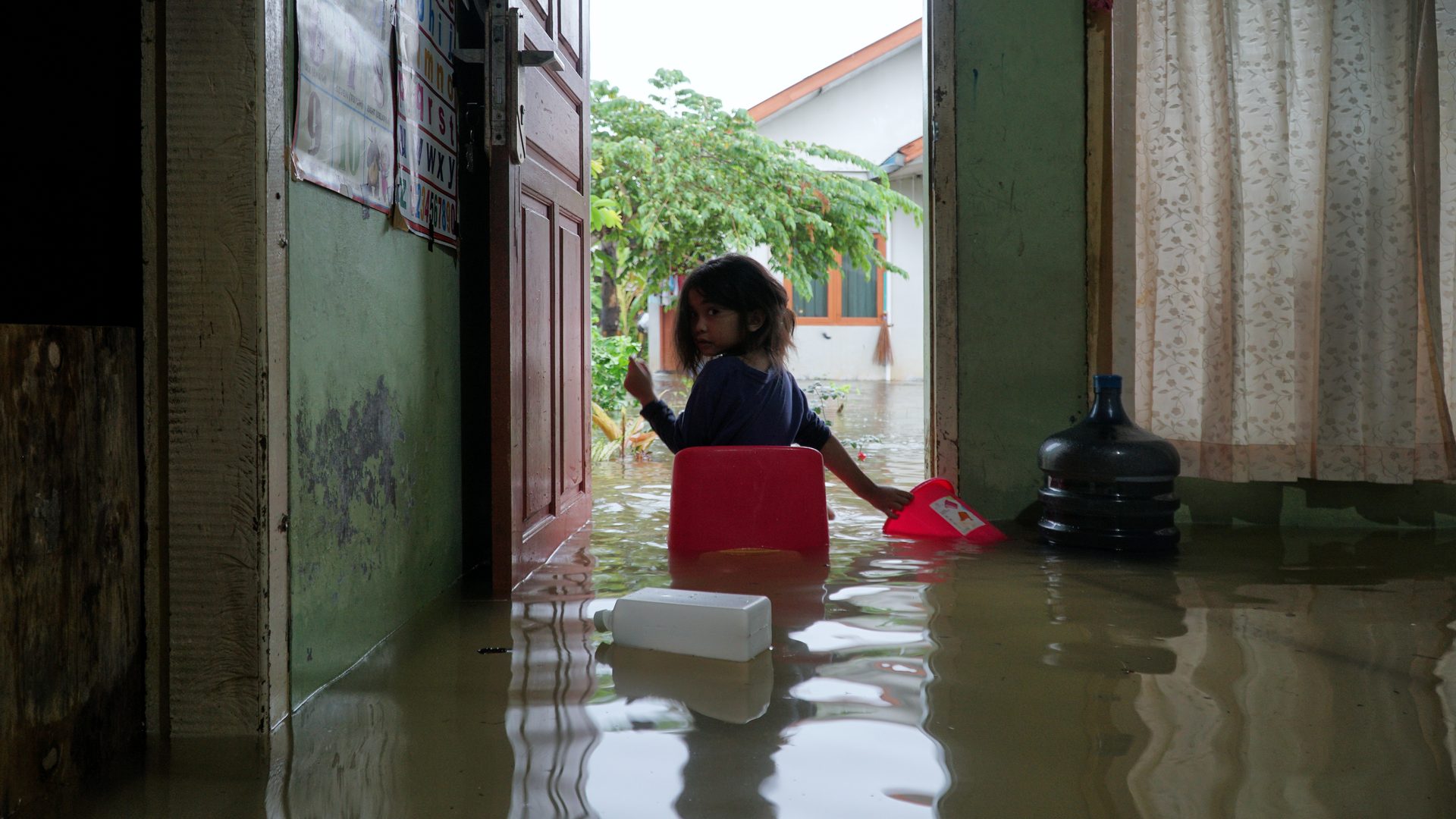
Before comparing firms, it helps to understand why fire and flood claims are so demanding. They are rarely a simple case of sending a few photos and receiving a cheque. They tend to run for weeks or months and involve lots of moving parts at once.
Emergency response and making the property safe
The first job is stopping things getting worse. After a fire, that might mean boarding up windows, securing the building and making sure the structure is safe. After a flood or escape of water, it means stopping the source, pumping out standing water and switching off electrics where needed. Your policy will usually expect you to take reasonable steps to limit further damage, so a good claims professional will help you get the right emergency contractors in quickly and keep a record of what was done.
Drying out and moisture monitoring
Flood and water damage often looks better than it really is once the surface water has gone. Water soaks into floors, walls and insulation, and if a property is not dried properly you can end up with mould, rot and repeat damage later. Professional drying uses dehumidifiers, air movers and moisture readings over a period of time. Getting this stage right matters, because reinstatement work should not start until the building is properly dry.
Smoke, soot and odour damage
With fire, the visible burn damage is often only part of the story. Smoke and soot travel through a building, settling on walls, ceilings, furniture and inside cupboards. Odour can linger in soft furnishings and even in the fabric of the building. These losses are easy to underestimate, and specialist cleaning or replacement may be needed well beyond the room where the fire started.
Contents
Furniture, electrical items, clothing, stock, equipment and personal belongings all need to be listed, valued and either cleaned, repaired or replaced. Putting together a full contents schedule while you are coping with the upheaval is hard work, and it is one of the areas where items are most commonly missed.
Alternative accommodation
If your home is not fit to live in, many policies include cover for alternative accommodation, such as a rental property or hotel, along with some extra costs you face while you are out of your home. Pets, school runs, work and family needs all come into it, so finding somewhere suitable quickly can make a real difference to how you cope.
Business interruption
For businesses, the damage to the building and contents is often only half the picture. If you have business interruption cover, you may be able to claim for lost income, extra costs of working from another site and other knock-on effects while you get back on your feet. These claims usually need detailed figures and careful presentation, so experience counts.
Who Is Who: Loss Adjusters and Loss Assessors
One of the most confusing parts of any large claim is the number of people involved. The two roles people mix up most often are the loss adjuster and the loss assessor.
A loss adjuster is appointed and paid by your insurer. Their job is to investigate the claim, check what the policy covers and recommend a settlement. Many adjusters are fair and professional, but they are working on behalf of the insurance company, not you.
A loss assessor works for the policyholder. They prepare and present your claim, deal with the insurer and the adjuster for you and push for a fair settlement under the terms of your policy. If you want a fuller explanation, our guide on the difference between assessors and adjusters goes into more detail.
When people look for outside help with a fire or flood claim, they are usually looking for this second type of help: someone in their corner.
How to Choose a Claims Management Company for Fire and Flood Damage
There is no single right answer for everyone, but there are some clear signs of a firm you can trust. Here is what we would look for if we were in your shoes.
FCA authorisation
Firms that handle insurance claims on behalf of policyholders should be authorised by the Financial Conduct Authority. Do not just take a website’s word for it. You can check any firm for yourself on the FCA Register, which is free and quick to search. Authorisation means the firm is expected to meet standards on how it treats customers, explains its fees and handles complaints.
They work only for policyholders
Ask directly whether the firm ever works for insurers. A firm that acts only for policyholders has no conflict of interest. Its job is simply to get you a fair outcome under your policy, and that clarity is reassuring when you are dealing with something as stressful as a fire or flood.
Real experience with fire and flood
Fire and water damage are specialist areas. Smoke migration, drying standards, contents valuation, alternative accommodation and business interruption all need know-how. When you compare any claims management company for fire and flood damage, ask what kinds of claims the firm handles regularly, and whether they have dealt with properties like yours, whether that is a family home, a rented flat, a block managed by an agent or a commercial unit.
Clear fees agreed in writing
Loss assessors usually charge a fee that is agreed upfront, and this is often a percentage of the final settlement. That is a normal and fair way to work, but you should always know exactly what you are agreeing to. Ask for the fee in writing before you sign, check whether VAT is added, and make sure you understand what happens if you decide to cancel. A good firm will be happy to explain this without any fuss.
Good communication
A fire or flood claim can take a while, so regular updates matter. Ask who your main contact will be, how often you will hear from them and how you can reach them if something urgent comes up. You should never feel you are chasing your own claim.
No pressure tactics
A trustworthy firm will give you time to think. They will explain your options, answer your questions and let you decide. If anyone is pushing you to sign on the spot, that tells you something about how they are likely to treat you later on.
Red Flags to Watch Out For
Most firms in this sector are professional and well run, but it is worth knowing the warning signs. Be cautious if you notice any of the following:
- Turning up uninvited at your property soon after a fire or flood and pressing you to sign there and then.
- Being vague about fees, or refusing to put them in writing.
- Promising a guaranteed payout or a specific settlement figure before they have even seen your policy.
- Not being listed on the FCA Register, or giving details that do not match what the register shows.
- Encouraging you to exaggerate the damage or add items that were not lost. This can put your whole claim at risk.
- Telling you not to speak to your insurer at all, or not to read the agreement you are signing.
- Long or unclear cancellation terms buried in small print.
Nobody can honestly guarantee the outcome of an insurance claim. What a good claims management company for fire and flood damage can do is make sure your claim is complete, well evidenced and properly presented, and that you are treated fairly along the way.
Questions to Ask Before You Sign
Having a short list of questions ready makes the conversation much easier. You might want to ask:
- Are you authorised by the FCA, and what is your firm reference number?
- Do you ever act for insurance companies, or only for policyholders?
- How many fire and flood claims do you deal with, and have you handled properties like mine?
- What is your fee, how is it worked out, and can I have it in writing?
- Is VAT added on top of the fee?
- What happens if I want to cancel the agreement?
- Who will be my main point of contact, and how often will you update me?
- Can you help arrange emergency work, drying and alternative accommodation?
- How do you handle contents schedules and, for businesses, loss of income?
- What happens if the insurer and I cannot agree?
Pay attention to how the answers make you feel as well as what they say. Clear, patient answers are a good sign. Dodging the question is not.
Practical Steps While You Decide
Choosing help does not mean everything has to stop while you think. There are some sensible things you can do straight away, whether or not you bring in a professional:
- Report the damage to your insurer as soon as you reasonably can.
- Take plenty of photos and videos of the damage before anything is moved or thrown away.
- Keep damaged items where it is safe to do so, as they may need to be inspected.
- Keep receipts for emergency costs, such as boarding up, pumping out or temporary accommodation.
- Write down the names of everyone you speak to, with dates and what was said.
- Find your policy documents and check what cover you have.
If water is the issue, our article on the water damage report process walks through the early stages in more depth. For fire, our quick guide to fire claims covers the first steps to take.
What If You Disagree With Your Insurer?
Sometimes, even with a well prepared claim, you and your insurer may not see eye to eye on what is covered or how much should be paid. A good loss assessor will help you understand the reasons behind the insurer’s position and will challenge it where there are grounds to do so.
If a dispute cannot be resolved, you can make a formal complaint to your insurer. If you are still unhappy with their final response, or they have not replied within the set time limit, you can usually take the complaint to the Financial Ombudsman Service, which is free to use. Your assessor should be able to explain how this works and support you through it, although nobody can promise what the outcome will be.
How Sabre Assessing Fits In
Sabre Assessing Ltd is an independent firm of loss assessors based at Ground Floor, 1000 Lakeside, North Harbour, Cosham in Portsmouth. We act only for policyholders and never for insurers, so there is no question about whose side we are on.
We manage fire, flood, storm, escape of water, subsidence, impact and burglary claims for homeowners, landlords, managing agents and businesses. Sabre Assessing Ltd is authorised and regulated by the Financial Conduct Authority, and you are very welcome to check our details on the FCA Register before you speak to us.
When we take on a claim, our aim is to take the weight off your shoulders. That means dealing with the insurer and the loss adjuster for you, helping to coordinate emergency work and drying, putting together a full and accurate record of your losses and keeping you updated at every stage. We will always explain our fee clearly and give it to you in writing before you agree to anything, and we will never pressure you into signing.
If, after reading this guide, you decide another firm is a better fit for you, that is absolutely fine. What matters most is that you choose someone authorised, experienced and open with you.
Speak to Sabre Assessing About Your Fire or Flood Claim
Dealing with fire or flood damage is exhausting, and you do not have to face the claim on your own. If you are weighing up a claims management company for fire and flood damage and would like a friendly, no-obligation chat about your situation, we would be glad to hear from you. We can talk through what has happened, explain how we work and answer any of the questions above, with no pressure to commit.
When you are ready, get in touch with our team, or find out more about Sabre Assessing.
Share This Story, Choose Your Platform!
About Sabre Assessing