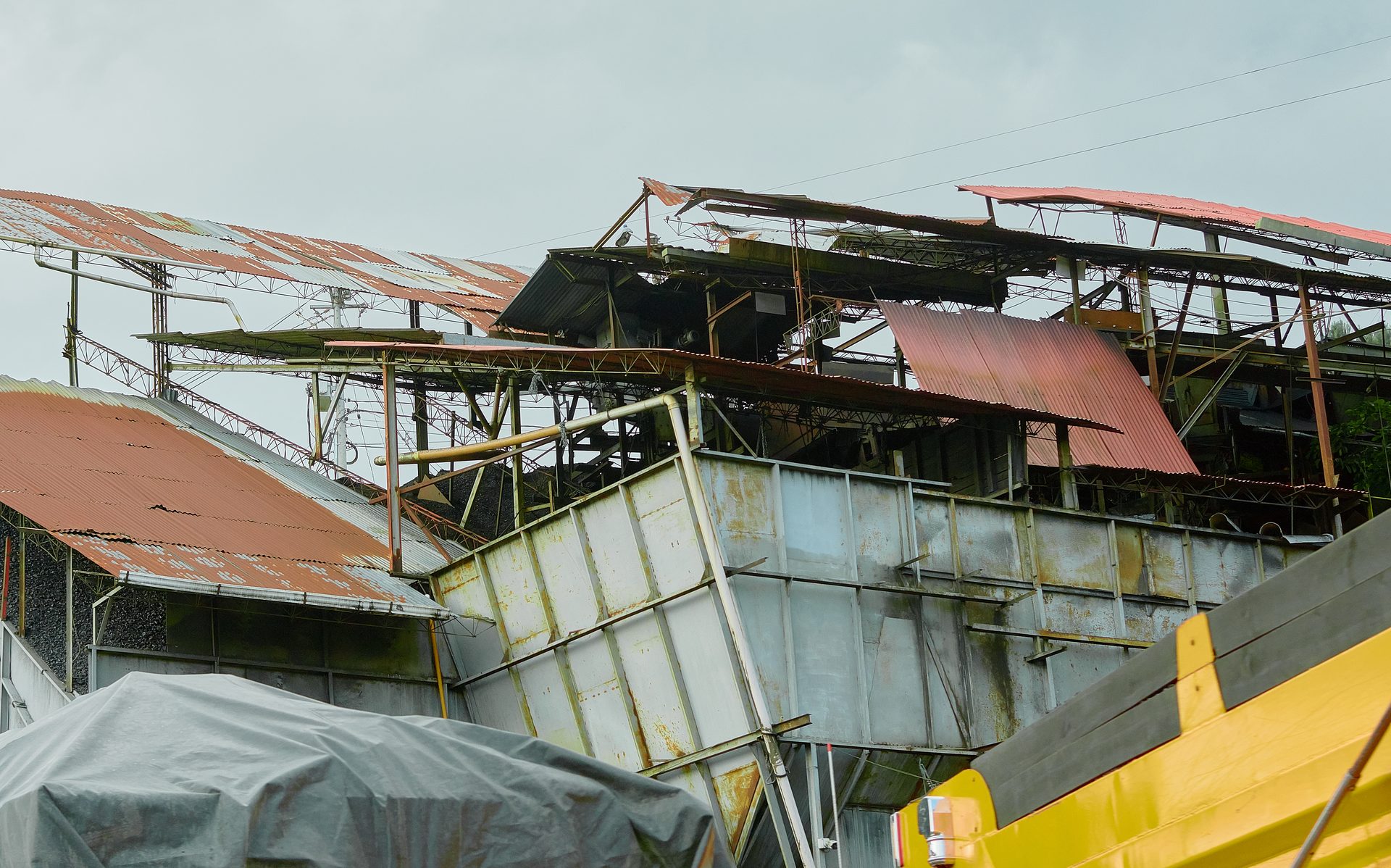
Storms that tear tiles from roofs, rivers that burst their banks, lightning strikes and the occasional earth tremor. When nature causes damage to your home or business, you may hear the phrase “act of god” used to describe what happened. It sounds dramatic, and for many people it raises an immediate worry: does that mean my insurance will not pay?
The good news is that, in the UK, most damage caused by natural events is covered by standard buildings and contents insurance, as long as you have the right cover in place and the claim is handled properly. The phrase itself has a specific meaning in law, but it rarely appears in modern home insurance policies. What matters far more is how your policy describes the events it covers, and what it excludes.
In this guide we explain what the term actually means, how it relates to your insurance, which events are usually covered and how to give yourself the best chance of a fair settlement when nature strikes.
What Is an Act of God?
Put simply, it is a legal term for an extraordinary natural event that nobody could reasonably have foreseen or prevented. Typical examples include severe storms, floods, lightning strikes, earthquakes and landslides. The key point is that the event is caused by nature alone, with no human involvement, and that no reasonable amount of planning or care could have stopped it.
The term is mostly used in contract law and in disputes about liability. For example, if a contractor fails to finish a job because a once-in-a-century flood washed the site away, they may argue that an unforeseeable natural event prevented them from meeting their obligations. In those situations, the phrase is about who is responsible for a loss, rather than whether insurance will pay for it.
Act of God and Your Insurance Policy
Despite how often the phrase is used in conversation, you will rarely see this phrase in a UK home or business insurance policy. Instead, policies list the specific events, known as insured perils, that they cover. These typically include:
- Storm
- Flood
- Lightning
- Earthquake
- Subsidence, heave and landslip
- Fire
- Falling trees
- Escape of water, including from pipes that freeze and burst in cold weather
So, rather than asking whether an event was a natural disaster, the real questions are whether what happened is listed as an insured peril in your policy, whether it meets the policy’s definition of that peril, and whether any exclusions apply.
This is good news for policyholders. It means that damage caused by most natural events is covered by standard policies, and insurers cannot simply decline a claim by describing what happened as a freak of nature.
Which Natural Events Are Usually Covered?
Storm damage
Storm is one of the most common causes of property insurance claims in the UK. Most policies cover damage caused by storms, but many insurers have their own definition of what counts as a storm. This is often based on wind speeds, heavy rainfall, hail or snow. If the weather on the day of the damage did not meet that definition, the insurer may decline the claim, so checking the weather records is an important early step. Our guide on managing storm damage insurance claims covers this in more detail.
Flood damage
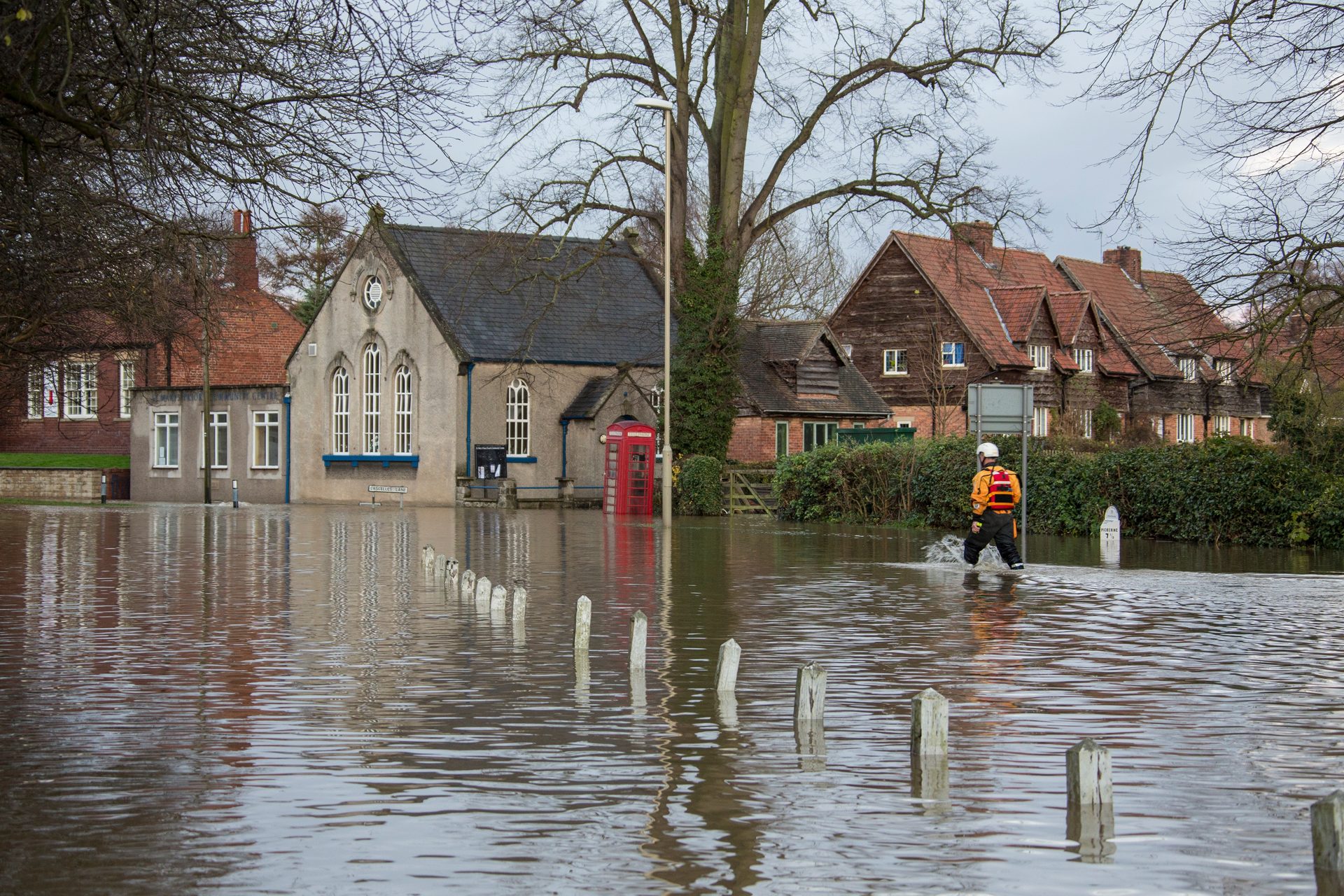
Most standard home insurance policies include flood cover, although premiums and excesses can be higher for properties in areas at greater risk. Homes in high-risk areas may benefit from the Flood Re scheme, which helps make flood cover more affordable. Business policies vary more widely, and flood cover is not always included automatically, so it is worth checking.
Lightning
Lightning strikes can cause fire, structural damage and power surges that damage electrical equipment. Damage from lightning is usually covered under buildings and contents insurance.
Earthquake
Earthquakes strong enough to damage property are rare in the UK, but they do happen. Most standard policies cover earthquake damage, although it is always worth confirming in your policy wording.
Subsidence, heave and landslip
These forms of ground movement are often triggered by natural conditions, such as long dry spells that shrink clay soils. They are usually covered by buildings insurance but often carry a higher excess, commonly £1,000 or more.
Falling trees
If a tree is brought down by high winds and damages your property, this is usually covered. Some policies exclude the cost of removing the tree itself unless it has caused damage to the building.
Common Exclusions to Watch Out For
Even when a natural event is covered in principle, policies contain exclusions that can reduce or rule out a payment. The most common include:
- Wear and tear: insurers will not usually pay for damage they believe was caused by gradual deterioration, even if a storm was the final trigger.
- Gates, fences and hedges: storm damage to boundaries is often excluded.
- Unoccupied properties: cover can be restricted if a property has been left empty for longer than the period stated in your policy, often 30 or 60 days.
- Gradual damage: problems that develop slowly, such as rising damp, are not usually treated as insured events.
- Lack of maintenance: blocked gutters, loose tiles and damaged flashing that were not repaired can lead to claims being reduced or declined.
- Known flood risk: if you did not disclose a history of flooding when buying the policy, the insurer may refuse to pay.
Reading the exclusions section of your policy before you need to claim is one of the simplest ways to avoid nasty surprises later.
Act of God and Liability Claims
The phrase is most relevant when one party is trying to hold another responsible for damage. Suppose a neighbour’s tree falls onto your house during a storm. You might think the neighbour should pay, but if the tree was healthy and the storm was exceptional, the neighbour is unlikely to be legally liable. In that case, your own buildings insurance would normally cover the damage.
However, if the tree was obviously diseased or dying and the neighbour had been warned about it, the damage may not be treated as a freak natural event at all, because it was foreseeable and preventable. In that situation, the neighbour, or their insurer, may be liable.
The same principle applies to businesses. A landlord, contractor or supplier may try to rely on this defence to avoid responsibility for a loss. Whether that defence succeeds depends on whether the event was genuinely unforeseeable and unavoidable.
How to Make a Strong Claim After a Natural Event
When your property is damaged by a storm, flood or other natural event, the way you handle the first few days can have a big effect on your claim. Here are the steps we recommend.
1. Make the property safe
Your safety comes first. If there is structural damage, flooding or a risk from electrics or gas, leave the property and call the relevant emergency services or utility provider.
2. Prevent further damage
Your policy will expect you to take reasonable steps to stop the damage getting worse. That might mean arranging a temporary cover for a damaged roof, moving belongings upstairs or switching off the water supply. Keep receipts for anything you spend.
3. Gather evidence
Take photos and videos of all the damage, inside and out, before anything is cleared or repaired. Keep a record of the date, time and weather conditions. Weather reports and news coverage of the event can also help support your claim.
4. Tell your insurer quickly
Report the claim as soon as possible. Most policies set time limits for notifying a claim, and delays can cause problems.
5. Keep damaged items
Do not throw away damaged belongings until the insurer has had a chance to see them, unless they pose a health risk. If you have to dispose of anything, photograph it first and keep a list.
6. Be honest and accurate
Give the insurer an accurate account of what happened and what has been damaged. Exaggerating a claim, even slightly, can put the whole claim at risk.
What About Business Interruption and Alternative Accommodation?
The damage you can see is only part of the cost of a natural event. If a flood or storm makes your home uninhabitable, you may need to move into a hotel or rented property while repairs are carried out. Most buildings policies include cover for alternative accommodation, usually up to a set limit or a percentage of the sum insured. Keep receipts for accommodation, extra travel and any additional living costs, as these can often be claimed.
For businesses, the knock-on effects can be even greater. A shop, office or warehouse that cannot trade after a storm or flood may lose weeks or months of income. Business interruption cover is designed to replace lost profits and pay increased costs of working, such as renting temporary premises, while the business recovers. These claims can be complex, because they rely on accounts, forecasts and evidence of what the business would have earned had the event not happened. Getting the figures right from the outset is essential, and it is an area where specialist help often pays for itself.
If you rent out property, check whether your landlord policy includes loss of rent cover. This can replace the rental income you lose while a damaged property is being repaired and cannot be let.
Why Natural Disaster Claims Can Be Complicated
Claims for natural events often involve large sums, multiple types of damage and long repair timescales. A single storm might damage the roof, bring down a ceiling, ruin carpets and furniture and force you out of your home while repairs are carried out. Each part of the claim needs to be assessed, evidenced and costed.
Insurers usually appoint a loss adjuster to handle larger claims. Their role is to investigate the cause of the damage and recommend a settlement to the insurer. They are paid by the insurer, and while most loss adjusters are fair and professional, their job is to protect the insurer’s interests. Our article on the difference between a loss assessor and a loss adjuster explains why this matters.
Disputes often arise over whether the weather met the policy definition of a storm, whether damage was caused by the event or by existing wear and tear, and how much repairs and replacement items should cost. If your claim has already been turned down, our guide on avoiding denied insurance claims covers the most common reasons and how to respond.
How a Loss Assessor Can Help
A loss assessor is an independent claims professional who works for you, the policyholder, not the insurance company. After a natural event, a loss assessor can:
- Review your policy to establish exactly what you are covered for.
- Gather the evidence needed to prove the cause and extent of the damage, including weather data and specialist reports.
- Prepare a fully detailed claim for the building, your contents and any alternative accommodation or business interruption costs.
- Deal with the insurer and their loss adjuster on your behalf.
- Challenge low offers or unfair decisions where the evidence supports it.
For many people, the biggest benefit is simply not having to fight the claim alone while trying to get their home or business back to normal.
Talk to Sabre Assessing About Your Natural Disaster Claim
An act of god might sound like something no insurance policy could ever cover, but in reality most natural events are insured perils under standard UK policies. The challenge is making sure your claim meets the policy terms, is properly evidenced and is valued correctly.
At Sabre Assessing, we work only for policyholders, never for insurers. We manage storm, flood, lightning, subsidence and other property claims for homeowners, landlords and businesses, and we handle the insurer so you can focus on getting back on your feet. If your property has been damaged by a natural event, contact our team today or find out more about Sabre Assessing.
Share This Story, Choose Your Platform!
About Sabre Assessing