
Managing a property crisis in the Scottish capital can be an incredibly daunting task for homeowners and business owners alike. Whether your property has been affected by a sudden escape of water, a devastating fire, structural movement, or a severe coastal storm, the road to recovery is often paved with complex bureaucracy. Navigating the intricacies of policy wordings while trying to organise immediate repairs requires a level of expertise that most policyholders simply do not possess. This is why securing independent Damage Insurance Help in Edinburgh is vital to ensuring that your property is fully restored and that you receive your exact financial entitlement from your insurance provider. Without expert guidance, the risk of a compromised or undervalued settlement is exceptionally high.
Understanding the Unique Risks to Edinburgh Properties
The historic and architectural landscape of Edinburgh presents a highly specific set of challenges when it comes to property damage. From the iconic sandstone tenements of the Marchmont and Bruntsfield areas to the strict conservation requirements of the New Town, repairing structural damage here is rarely straightforward. Traditional buildings utilize materials such as Scotch slate, lime mortar, and bespoke sash and case timber windows, all of which require specialist heritage craftsmen to repair correctly. When assessing Damage Insurance Help in Edinburgh, policyholders must recognize that standard insurance reinstatement formulas often completely fail to account for the true cost of working on listed structures or within designated conservation zones.
Furthermore, the physical layout of the city introduces secondary risks. In dense tenement blocks, a single burst pipe in a top-floor flat can quickly cascade into a multi-property disaster affecting several levels below. In these scenarios, determining liability and coordinating multiple insurance companies becomes an administrative nightmare. This is precisely where professional claim management becomes invaluable. An independent specialist understands how to navigate the shared property responsibilities outlined in Scottish tenements, ensuring that communal repairs to roofs, closes, and joists are handled efficiently and that no individual property owner is left unfairly out of pocket.
The True Role of the Insurer’s Loss Adjuster
When you register a significant property loss with your insurance company, they will quickly appoint a professional known as a loss adjuster to visit your premises. It is a common misconception among the public that this individual is an independent, neutral party sent to help you maximize your claim. In reality, the loss adjuster is a technical expert hired and paid directly by the insurance provider to protect their corporate financial interests. Their primary objective is to investigate the validity of the claim and look for avenues to minimize the ultimate payout. For an unrepresented policyholder, this dynamic creates an immediate disadvantage during an already stressful period.
When evaluating claims, adjusters will meticulously examine the property’s maintenance history. In older cities like Edinburgh, they frequently attempt to attribute structural failures, roof leaks, or stone decay to long-term wear and tear rather than a single sudden event, which can lead to a partial or total rejection of the claim. Securing independent Damage Insurance Help in Edinburgh balances the scales. By appointing your own loss assessor, you ensure that you have an equally qualified professional standing by your side whose sole legal duty is to protect your interests, challenge unfair adjusters, and fight for your full policy entitlement.
Calculating the True Cost of Property Reinstatement
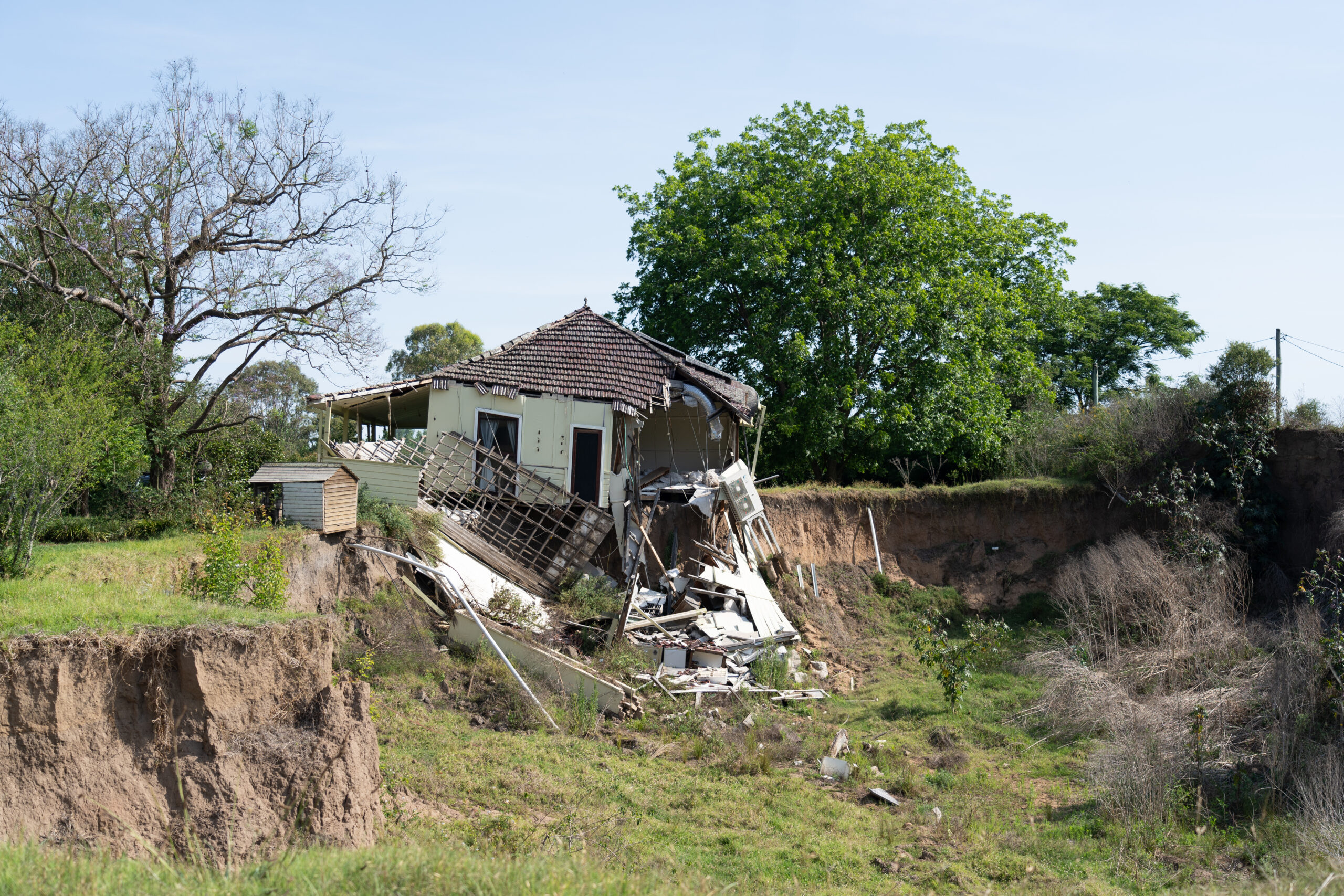
A successful property insurance claim relies entirely on the submission of a highly detailed, fully costed schedule of works. You should never rely on a basic, single-page estimate from a local builder, as insurance companies will routinely pick such vague quotes apart. The claim must forensically detail every single element of the damage, including hidden structural issues, deep sanitization needs, and the professional fees required for architects or structural engineers. When seeking Damage Insurance Help in Edinburgh, your representative will coordinate with independent surveyors to build a bulletproof case that leaves no room for interpretation or underestimation by the insurer.
For example, if your property has suffered significant water ingress, the claim cannot simply cover the cost of a new carpet and a coat of paint. It must account for industrial drying equipment, electricity usage during the drying phase, the removal of contaminated plaster, and anti-microbial treatments to prevent toxic mould growth. By presenting an evidence-backed, fully itemized inventory to the loss adjuster, your assessor significantly reduces the likelihood of prolonged disputes and delays. This meticulous preparation ensures that your home or business premises are returned to their pre-loss condition without any compromises on safety or material quality.
Protecting Businesses from Operational Collapse
For commercial policyholders, structural damage is often only half the battle. A major fire, flood, or structural failure can force a business to close its doors for weeks or even months, threatening its entire customer base and long-term viability. Business Interruption insurance is designed to safeguard against this exact scenario by covering lost gross profits and ongoing fixed costs, such as staff payroll and rent. However, calculating the financial impact of a closure is an incredibly complex forensic accounting exercise. Insurers will often analyze local market trends to argue that your business turnover would have dropped regardless of the incident.
By utilizing dedicated Damage Insurance Help in Edinburgh, business owners can ensure their financial claims are calculated accurately and aggressively. A loss assessor will work closely with your accountants to factor in seasonal variations, historical growth, and the increased cost of working, which might include renting temporary office space or setting up emergency IT infrastructure. Furthermore, your assessor will prioritize securing swift interim payments from the insurance company. These partial payouts are critical for maintaining corporate liquidity, allowing you to meet your financial obligations to suppliers and employees while the physical rebuilding process is underway.
Managing Logistics and Reinstatement Standards
The final phase of any major property claim is the physical repair and reinstatement of the building. Managing this process can be an overwhelming logistical challenge, particularly when dealing with the high demand for reputable, vetted tradespeople across the Lothian region. Your independent loss assessor can take complete control of this phase, working alongside trusted contractors who understand the rigorous standards expected by local building control authorities. This oversight ensures that all repairs are executed to a professional standard and that no shortcut methods are utilized to save the insurer money.
Additionally, if your property is rendered completely uninhabitable during the restoration, your assessor will negotiate the terms of your alternative accommodation cover. They will ensure that the temporary housing provided by the insurer matches the location, size, and standard of your original home, minimising the disruption to your family’s daily routine, schooling, and work commitments. From the initial emergency response to the final sign-off of the decoration, having expert representation provides an invaluable layer of security, transparency, and peace of mind during a property crisis.
Damage Insurance Help in Edinburgh: Frequently Asked Questions
What is the core difference between a loss adjuster and a loss assessor?
The difference comes down to who the professional is representing. A loss adjuster is employed by the insurance company to investigate the claim and manage the insurer’s financial liability. A loss assessor is an independent specialist hired directly by you, the policyholder. When you utilize Damage Insurance Help in Edinburgh through a loss assessor, you are employing an advocate whose sole objective is to manage the claim on your behalf and secure your maximum policy entitlement.
Can I appoint my own building contractors to do the repair work?
Yes, you have the absolute right to choose your own qualified contractors to repair your property. Insurance companies will often heavily promote their own network of preferred suppliers because they have pre-negotiated discount rates with them. However, you are under no legal obligation to use the insurer’s builders. Choosing independent tradespeople who are specifically experienced with the unique demands of Edinburgh masonry and traditional roofing is often the best way to safeguard your property’s long-term value.
What happens if hidden damage is discovered after the repairs have started?
It is incredibly common for secondary issues, such as hidden dry rot, structural cracking, or deep soot tracking, to be uncovered only after the initial strip-out work begins. If you are working with an independent loss assessor, they will immediately halt the specific area of work, document the new evidence, and reopen negotiations with the insurance company’s loss adjuster to secure anجاه structural variation order. This ensures that the additional repair costs are fully covered under the existing claim.
How long does it typically take to settle a major property damage claim?
The duration of a property claim depends entirely on the scale of the destruction and the complexity of the building. A straightforward escape of water claim might be settled and repaired within a couple of months, whereas a complex fire or structural claim involving a listed building can take significantly longer. Employing professional Damage Insurance Help in Edinburgh usually accelerates the timeline, as an assessor knows exactly what documentation the insurer requires, preventing the typical delays caused by back-and-forth communication.
What is the Condition of Average, and how does it affect my payout?
The Condition of Average is a clause found in most property insurance policies that penalizes policyholders for underinsurance. If your property would cost three hundred thousand pounds to rebuild completely, but you have it insured for only one hundred and fifty thousand pounds, you are underinsured by fifty percent. If you suffer a partial loss of ten thousand pounds, the insurer can invoke this clause and pay out only five thousand pounds. A loss assessor can help navigate these difficult calculations and negotiate the best possible outcome.
How are the fees for an independent loss assessor structured?
Independent loss assessors generally operate on a percentage-based success fee model, which is calculated from the total financial settlement recovered from your insurance provider. This structure means there are no upfront costs to pay during a highly stressful time, and it ensures that your assessor’s incentives are perfectly aligned with yours. Because an assessor routinely recovers a significantly higher and more accurate settlement than an unrepresented policyholder, the financial benefit of their involvement generally far outweighs the fee.
You may also find these guides useful: How to Navigate Commercial Property Insurance Claims in Glasgow and Ultimate Guide For Landlords To Set Up Insurance For Commercial Buildings.
If you need help with an insurance claim, contact our team or find out more about Sabre Assessing.
Share This Story, Choose Your Platform!
About Sabre Assessing